

Flying can be stressful enough without worrying whether the seat belt will fit. Staring down the aisle of a Boeing 737 shouldn't come with a side of anxiety. The great news is you can absolutely bring and use your own seat belt extender for Southwest Airlines, as long as it's the right kind. Think of this guide as your co-pilot for a much more comfortable and dignified flight.
Your Guide to a Confident Southwest Flight
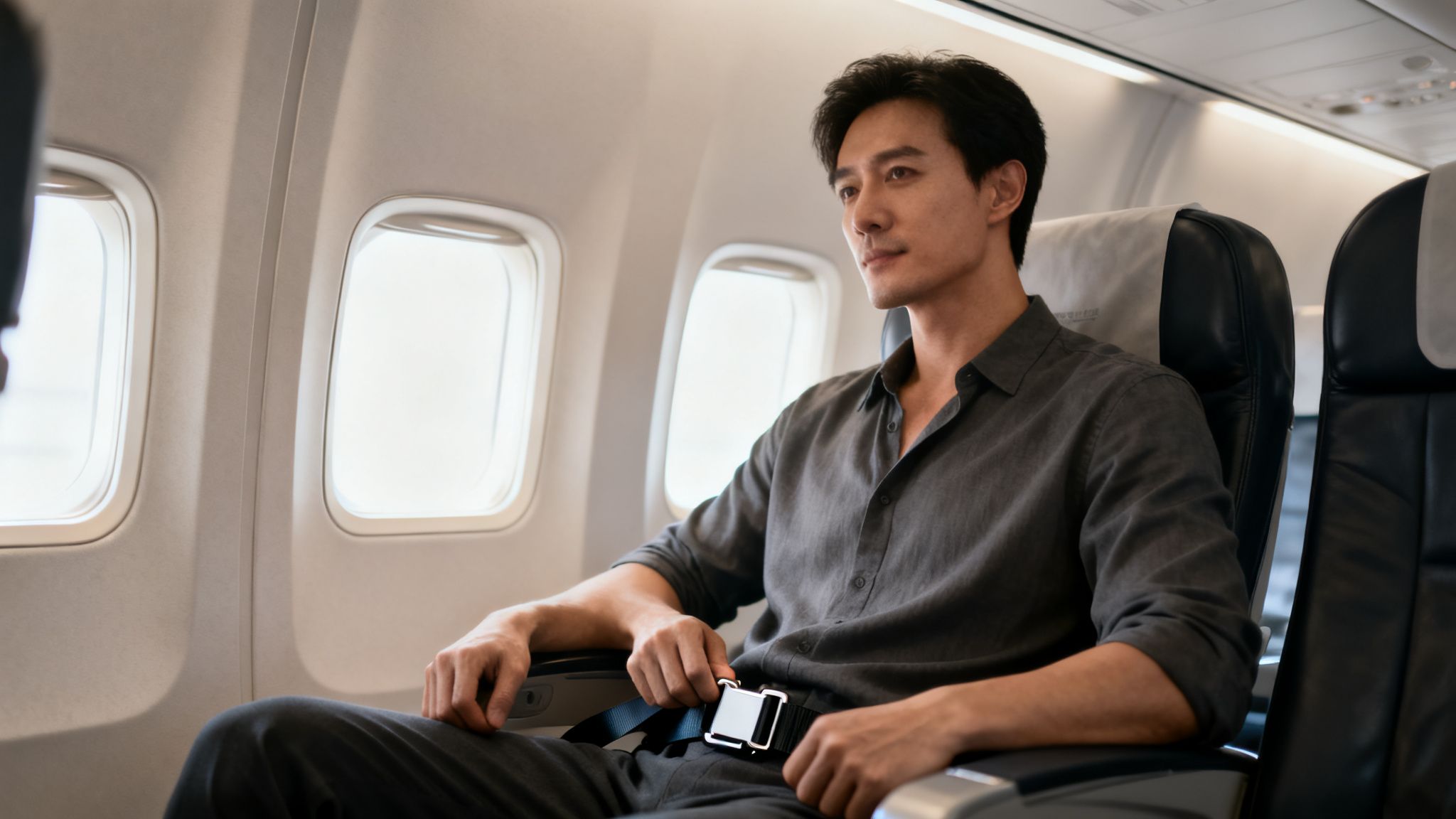
A trip should be about the adventure ahead, not the apprehension in your seat. For a lot of travelers, the standard-issue airline seat belt is a real source of concern. Bringing your own extender is a game-changer. It gets rid of the uncertainty and the potential discomfort of having to ask a flight attendant for one, putting you back in control.
Picture this: you settle into your seat, click your personal extender into place in seconds, and lean back, ready for takeoff. No fuss, no stress—just security. We'll walk through everything you need to know to make that happen.
We’ll cover:
- Southwest's official stance on personal extenders.
- How to pick the correct, FAA-compliant device.
- What to expect at security and when boarding with your extender.
- The real-world benefits of owning this simple travel tool.
Why Comfort and Safety Are Non-Negotiable
The need for a little extra room is incredibly common. The standard 17-inch wide seats on many jets simply don't work for every body type, and that's a major source of frustration for passengers.
It might surprise you to learn that Southwest Airlines, one of the country's most popular carriers, sees a whopping 90 percent of its passenger complaints boil down to issues with seat space. In just one year, travelers lodged tons of complaints about other passengers encroaching on their seats. You can find more details about these passenger comfort challenges on the Obesity Action Coalition website. This isn't a niche problem; it’s a clear sign that a better fit is desperately needed.
A personal seat belt extender is more than just a piece of hardware—it's a tool for empowerment. It ensures your safety and dignity are taken care of, so you can focus on the trip, not the fit.
Having your own seat belt extender for Southwest Airlines means you can walk onto any flight feeling prepared and self-sufficient. It's a small, simple item that makes a huge difference in your travel experience, making sure every journey starts off right.
Cracking the Code on Southwest's Extender Policy
Let's cut through the confusion that often comes with airline rules. The good news is that Southwest Airlines is one of the most straightforward carriers about seat belt extenders. Simply put, they absolutely allow you to bring and use your own.
Every Southwest plane has extenders on board that the flight attendants are happy to provide. But bringing your own is completely fine—and honestly, many people prefer it for the sake of privacy and just knowing you have what you need from the get-go.
Here's the one non-negotiable rule: your personal extender has to meet the same strict safety standards as the ones owned by the airline. The Federal Aviation Administration (FAA) sets the safety playbook for every piece of equipment on an airplane. So, whether it's the airline's extender or a compliant seat belt extender for Southwest Airlines you bought yourself, it must be built to the same FAA specifications.
For a deeper look into the regulations, our guide on the legality of seat belt extenders breaks it all down.
Understanding the "Customer of Size" Policy
It's really important to know how seat belt extenders fit in with Southwest's "Customer of Size" policy. This policy isn't about the seat belt; it's about personal space. The rule is that if you can't sit comfortably in a single seat with both armrests down, you'll need to purchase an additional seat.
An extender solves the seat belt issue, but it doesn't magically make the seat wider. So, even if your seat belt is buckled perfectly with an extender, you might still need that second seat if your body extends beyond the confines of the armrests.
Southwest’s policy is designed for the safety and comfort of everyone on board. The use of a seat belt extender is a separate safety measure from the physical space requirement of fitting between the armrests.
Making this distinction is key. The extender ensures you're safely buckled in, which is a must. The Customer of Size policy ensures everyone in the row has adequate room, which is a matter of both comfort and safety.
How to Prepare for Your Flight
Knowing the rules ahead of time means you can walk onto the plane feeling confident, not stressed. Here's a quick checklist to get you ready:
- Assess Your Needs: Be honest with yourself—do you just need an extender, or will you also need a second seat according to the armrest rule?
- Bring the Right Gear: Make sure the extender you have is clearly marked as FAA-compliant and is the correct type for Southwest planes (which is typically a Type B).
- Be Ready to Inform: If a crew member questions your extender, you can just calmly and politely point out the compliance tag.
Southwest flight attendants see passengers with their own extenders all the time, so they know the drill. When you know the airline’s official policy, you can get settled in your seat feeling secure and ready to enjoy the flight.
How to Choose the Right Extender for Southwest
Picking out a personal seat belt extender isn't like grabbing a neck pillow at the airport shop. You have to think of it as critical safety equipment—because that's exactly what it is. To ensure you’re safe and secure on your flight, you need a device designed specifically for airplanes, not cars, and one that’s fully compatible with Southwest's fleet.
The absolute most important thing to look for is FAA compliance. This isn't just a friendly suggestion; it’s a non-negotiable safety requirement. A proper seat belt extender for Southwest Airlines has to meet strict federal standards for strength, durability, and function. An extender made for a car is strictly forbidden and can be incredibly dangerous in the air.
Decoding FAA Certification Labels
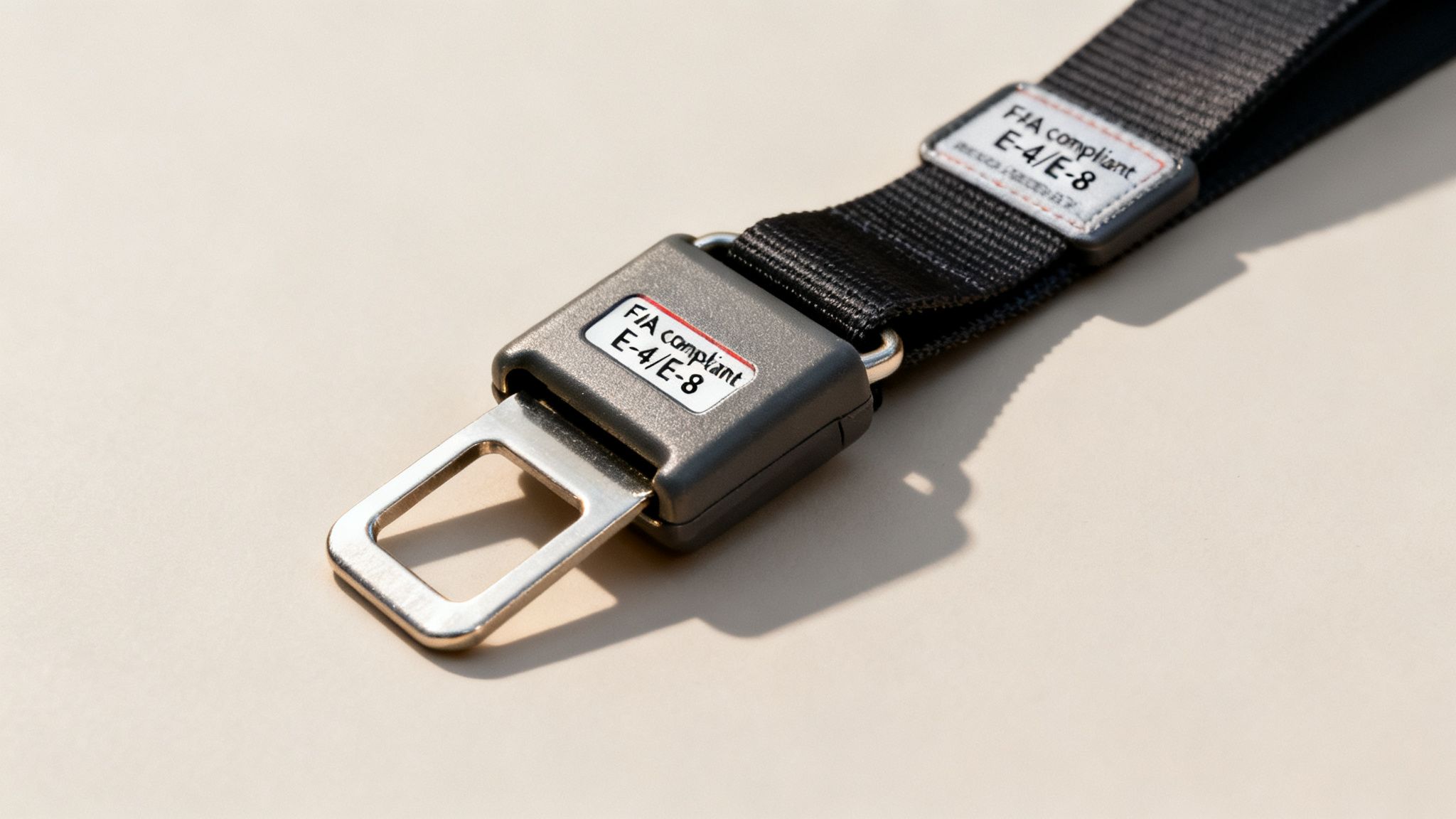
When you're shopping, keep an eye out for labels like "E-4/E-8 Certified" or "FAA Compliant." These aren't just marketing fluff. This certification is your guarantee that the extender was made to the exact specifications required for aircraft cabins. It tells you the materials, stitching, and buckle can handle the immense forces of turbulence or an emergency.
An extender without one of these labels is a huge red flag. Counterfeit or non-compliant products can fail when you need them most, which is why sticking to certified options is the only safe way to fly. Think of it as your ticket to safety and peace of mind at 30,000 feet.
Your personal extender must meet the exact same safety standards as the ones provided by the airline. The FAA certification tag is the simplest way for you and the flight crew to verify that your device is flight-ready.
For anyone flying on Southwest's Boeing 737 aircraft, the specific device you need is a Type B extender. This type features the right latch mechanism to connect perfectly with the plane's seat belts. Knowing the difference is key to getting a secure fit, and you can learn more about the various seat belt extender classifications to be a truly informed traveler.
Your Extender Checklist: Finding the Right Fit
To make sure you're buying a safe and reliable product, a simple checklist can help you cut through the noise and pinpoint a compatible extender.
The table below breaks down exactly what you need to look for and, more importantly, why it matters for your safety on a Southwest flight.
Southwest Extender Compatibility Checklist
| Feature | What to Look For | Why It's Critical |
|---|---|---|
| FAA Certification | A sewn-in label stating "FAA Compliant" or "E-4/E-8 Certified." | This is the official mark of approval that the extender meets federal aviation safety standards for materials and construction. |
| Extender Type | Clearly identified as a "Type B" airplane extender. | Southwest's Boeing 737 fleet uses Type B buckles. Any other type simply will not connect safely, if at all. |
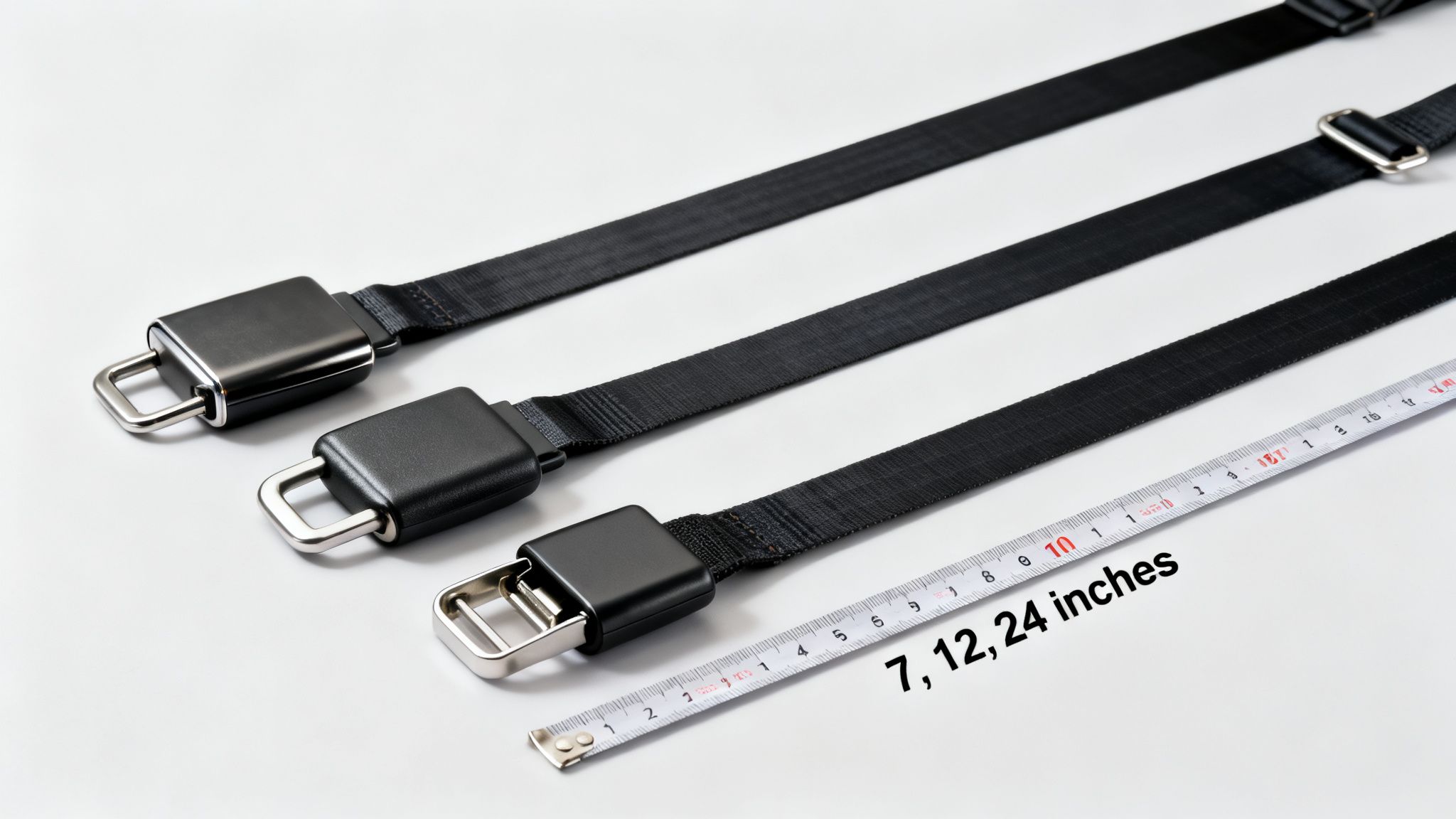
| Correct Length | Standard lengths range from 7 to 24 inches. | A length between 7-12 inches is usually enough and is less bulky. A proper fit ensures the buckle rests correctly at your side. |
| Build Quality | Industrial-strength polyester webbing and high-grade steel buckle components. | These materials are required to withstand extreme forces in an emergency. Plastic parts or flimsy webbing are immediate disqualifiers. |
By following these guidelines, you'll be able to spot dangerous fakes and invest in a tool that genuinely makes your travel experience safer and more comfortable. A properly made, certified Type B extender will give you that extra 7-24 inches of length without ever compromising the integrity of the aircraft's own safety system.
Navigating TSA and FAA Rules with Your Extender
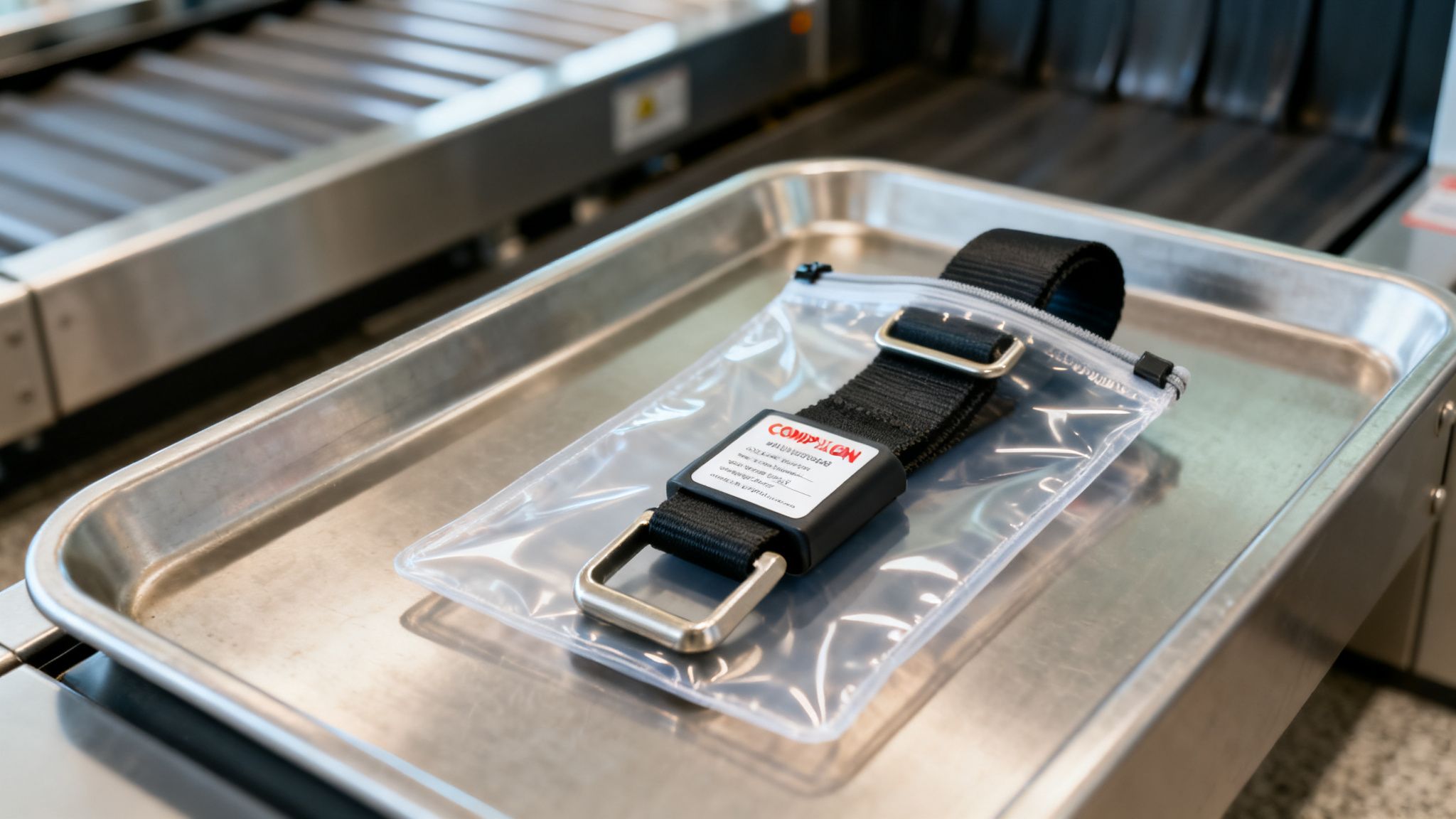
Let's face it, airport security can be a major source of travel stress. The good news? A seat belt extender for Southwest Airlines is one less thing to worry about. FAA-compliant extenders are completely fine to bring in your carry-on luggage.
Think of it like any other personal assistive item, whether that's a neck pillow or a small medical device. Transportation Security Administration (TSA) agents see these things all day, every day. As long as you have a properly certified extender, your trip through security should be a breeze.
For an even smoother experience, I usually place my extender in a separate bin or right on top of my other items in my bag. This makes it easy for a TSA agent to see what it is, which can prevent any unnecessary bag checks and keep you moving.
Why That Little Tag Is So Important
That small, sewn-in tag on your extender is easily the most critical part of the whole device. It's not a brand logo—it’s the official certification mark showing it meets the Federal Aviation Administration's tough safety standards. In a way, it's the extender's passport for air travel.
This is the very first thing a Southwest Airlines flight attendant will look for if they check your personal extender. It instantly tells them your device is manufactured to the exact same safety specs as the ones they have on board. Keeping this tag intact and legible is key.
A clear FAA compliance tag is your best friend for a smooth boarding experience. It confirms the extender's safety and legitimacy on the spot, answering any questions before they even come up.
An extender without this official certification is simply not allowed on a plane. Period. It's a small detail that carries a lot of weight, guaranteeing your safety and the integrity of the aircraft’s own equipment.
Your Quick Onboarding Checklist
A little prep work goes a long way in eliminating travel-day jitters. Knowing the rules and having your gear ready means you can board your Southwest flight with total confidence.
- Pack Smart: Keep your extender somewhere you can grab it easily, like a side pocket in your carry-on. This saves you from digging around for it at security or when you get to your seat.
- Don't Touch the Tag: Make sure the FAA compliance tag is never cut off or worn down. This is your proof of safety for the flight crew.
- Board with Confidence: Once you're at your seat, you can get buckled in right away. There’s no need to flag anyone down unless you need a hand.
If you're curious about the technical side of things, our complete guide on FAA-approved seat belt extenders dives deeper into what makes an extender airworthy. By following these simple tips, you can focus on where you're going, not on the little worries of getting there.
Why Bringing Your Own Extender is a Game-Changer
When you own a personal seat belt extender, it's about more than just being able to buckle up. It’s a small piece of gear that completely changes the feeling of flying, swapping uncertainty for confidence and comfort on every single trip.
Think about it: relying on the airline means you're at the mercy of their supply. While Southwest's crew is fantastic, having to ask for an extender can feel like you're under a spotlight. It’s a little moment of anxiety that you just don't need at the start of your journey.
Having your own seat belt extender for Southwest Airlines in your bag erases that entire scenario. You won't have to catch a flight attendant's eye during the boarding rush or worry they might not have one available for you.
For Peace of Mind and Personal Hygiene
Let's be honest, we're all a bit more aware of hygiene these days. Your personal extender is yours and yours alone. You know where it's been and how clean it is, which adds a nice layer of comfort knowing it hasn't been passed around. You just sit down, and it's ready when you are.
But this is about more than just convenience—it’s about dignity. Walking onto that plane already prepared feels empowering. You're not asking for help; you're in complete control of your own comfort and safety. It's a subtle but powerful shift.
Investing in your own extender is a proactive step. It guarantees you are prepared for every flight, turning potential moments of anxiety into seamless confidence.
A Tool for a Better Journey
At the end of the day, this simple tool just makes for a better, more predictable travel experience. It gets rid of a common stress point, letting you relax and think about your destination instead of the logistics of getting buckled in.
A few key benefits really make the case:
- Guaranteed Availability: It's always in your carry-on. You never have to cross your fingers and hope the airline has one for you.
- Discretion and Dignity: You can buckle up on your own terms, without needing to involve the crew or draw any attention.
- Assured Cleanliness: Since you're the only one using it, you can be sure it's clean and ready to go for every trip.
- Seamless Experience: Board, find your seat, and click in. The whole process becomes as smooth and simple as it is for everyone else.
Getting familiar with the little details can boost your confidence even more. For a deeper dive, check out our guide to standard airline seat belt sizes. Owning a seat belt extender for Southwest Airlines means your flight starts the way you want it to—prepared, secure, and ready to enjoy the ride.
Frequently Asked Questions
Even after going through all the details, you might still have a few questions floating around. That’s perfectly normal. Let's walk through some of the most common things travelers ask about using a seat belt extender on Southwest, so you can board your flight feeling totally prepared.
Can I Use a Car Extender on a Southwest Plane?
That's a hard no, and it's a rule that exists for your safety. Think about it this way: car and airplane seat belts are built for completely different situations and forces. You wouldn't use a bike helmet to go skydiving, and the same logic applies here.
Airplane extenders are engineered to meet strict FAA regulations. They have to handle the specific latching mechanisms and extreme forces that could happen on a plane. A car extender simply isn't built for that and would almost certainly fail when you need it most. It's a serious hazard, so always make sure you have an extender specifically made and certified for airline use.
What to Do If a Flight Attendant Questions My Extender
The best thing you can do is be calm, friendly, and ready with the right information. Flight attendants are responsible for everyone's safety, so if they ask about your extender, they're just doing their due diligence.
Just confidently show them the certification tag and let them know it’s the right type for the plane. Something simple like, "Hi, I appreciate you checking! This is an FAA-compliant Type B extender, and it's fully compatible," will usually clear things up right away. It shows them you're a savvy traveler who takes safety as seriously as they do. For a deeper dive into why these certifications matter so much, our article on seat belt extender safety is a great resource.
Does Southwest Charge for Extender Use?
Nope! Southwest will never charge you a fee to use a seat belt extender, whether you bring your own or borrow one from them. Safety equipment is a right, not a paid add-on.
However, keep in mind that this is separate from their "Customer of Size" policy. That policy is all about whether a passenger can lower both armrests and fit into a single seat without encroaching on the next one. Even if your extender helps the belt fit perfectly, you might still need to purchase an extra seat if you can't meet that armrest requirement.
Where Should I Buy a Reliable Airplane Extender?
Stick to reputable sellers who specialize in aviation safety gear. A trustworthy company will be upfront about their FAA compliance, list which aircraft their extenders work with, and clearly state their safety certifications, like "E-4/E-8."
Be really careful with giant online marketplaces where third-party sellers can pop up with fakes. A counterfeit extender might look the part, but it won't have the high-quality materials or construction needed to keep you safe in an emergency. Look for a vendor with clear product details and real customer support. It's a small investment that guarantees your safety is never compromised. If you have other travel questions beyond extenders, you might find answers in a list of general travel FAQs.
At Seat Belt Extenders, we provide E-4/E-8 certified airplane seat belt extenders that meet FAA safety standards, giving you peace of mind on every flight. Find the perfect fit for your next trip at https://seatbeltextenders.com.

